

Shared platforms, tenancies and recordkeeping
Shared platforms and tenancy environments support collaboration and data sharing across the Victorian Public Sector. Records created in shared environments (whether shared platforms or tenancies) are subject to the same legal and regulatory requirements as any other business system.
Public offices are responsible and accountable for records created, received and managed within these environments, regardless of who owns, hosts, or administers the platform.
Key principles:
- Shared platforms are business environments where public records may be created
- Each public office remains responsible for its own records, even in shared or tenancy arrangements
- Arrangements and agreements must be in place to ensure public records in shared platforms and tenancies are effectively managed in accordance with PROV Standards.
Key concepts
💻 Shared platforms
Collaboration tools (e.g. Teams, SharePoint, Microsoft 365)
→ Not inherently recordkeeping systems.
💭 Shared tenancy
Shared cloud infrastructure used by multiple public offices.
→ Often centrally managed.
🗂️ Public records in shared environments
Information created or received in shared technology environments may be public records, depending on the business function or activity to which it relates.
→ Must be managed in accordance with the Public Records Act 1973 and applicable PROV Standards.
📄 Public record
The Public Records Act 1973 defines public records as any records created or received by a public officer in the course of their duties, regardless of format.
→ Applicable to any person employed in a public office.
🔄 Data sharing and access
The exchange, access or provision of information between public offices to support service delivery, collaboration, decision-making, or public benefit outcomes.
→ Recordkeeping obligations apply to both the sending and receiving public office.
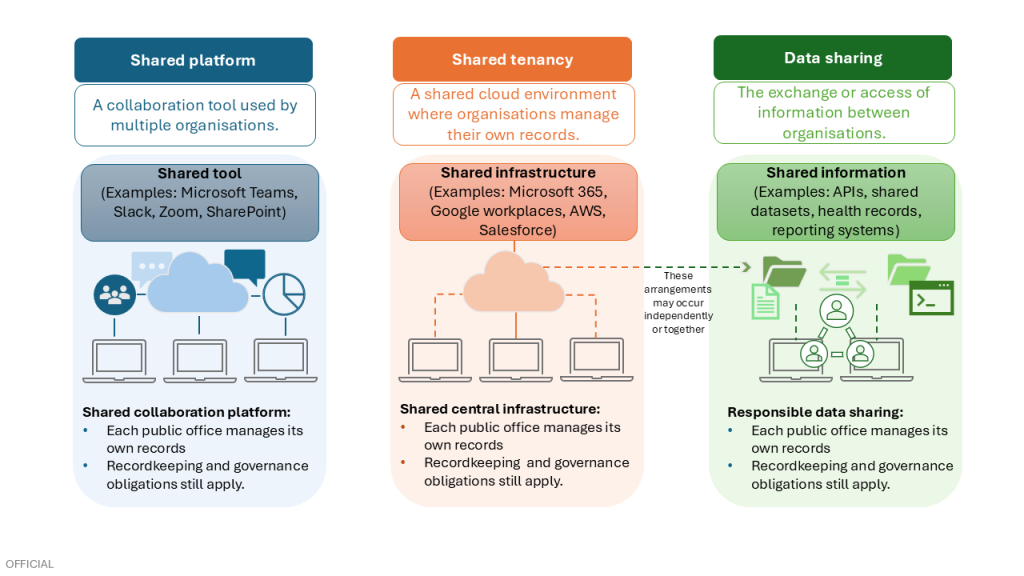
Figure 1: Shared platform, tenancies and data sharing definitions (developed by PROV)