
Author: Dr Robyn Floyd
Teacher, writer and family history researcher.
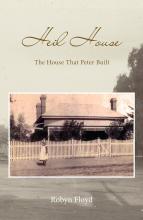
Heil House: The House That Peter Built tells the story of German immigrant Peter Heil, who built a home for his family in the country town of Elmore using the clay from his own land, and traces the lives of the generations who grew up within its walls.
Revealing family secrets
A betrayal? A child born out of wedlock? What happens when you unearth secrets perhaps hinted at in family stories, or discover others that have been well-hidden or forgotten?
Around the dinner table my parents shared family stories that had been passed down with zeal and, I suspected, dollops of added colour. As my mother began to lose her memory I realised these scraps may not survive into the next generation if they were not recorded. So, like millions of others, I was drawn into the world of family genealogy. In my quest to preserve the smattering of what was known, I unearthed links, secrets, tragedies and applauded triumphs that eventually resulted in a small family history, self-published as an eBook Heil House: The House That Peter Built in the hope it might reach scattered members of the Heil family - as other options, such as Ancestry.com.au, have so far not proved fruitful.
Discovering Heil House
Quite by accident, in a Shire document1 that listed heritage buildings in the Bendigo area, I found a reference to the family home built in 1870 by my great, great grandfather Peter Heil. The house, built with bricks Peter excavated from the clay on his own land, was still occupied; the brickwork laid over 150 years ago remaining in good condition.
My eagerness to know more about the house and the ancestors who lived there was the impetus for my research, hoping to piece together the random snippets of family history that had been shared: including emigration from Bavaria, a sudden death in a claypit and an illegitimate child.
Sifting through TROVE for names and events I was always delighted when I was rewarded with something new. As the reference to Heil House placed Peter and his fledgling brickworks in Elmore, I was able narrow the focus to newspapers published in the Bendigo area. Visiting the Elmore Progress Association (EPA) Museum, the curator Diane shared some gems left by family members who'd left documents that revealed more information about life at the Heil Brickworks.
Exploring PROV records
Armed with newly discovered names and dates, many more quiet hours were then spent at Public Record Office Victoria (PROV) trawling through shipping lists, wills, inquests, old maps of Melbourne and even acrimonious divorce papers.

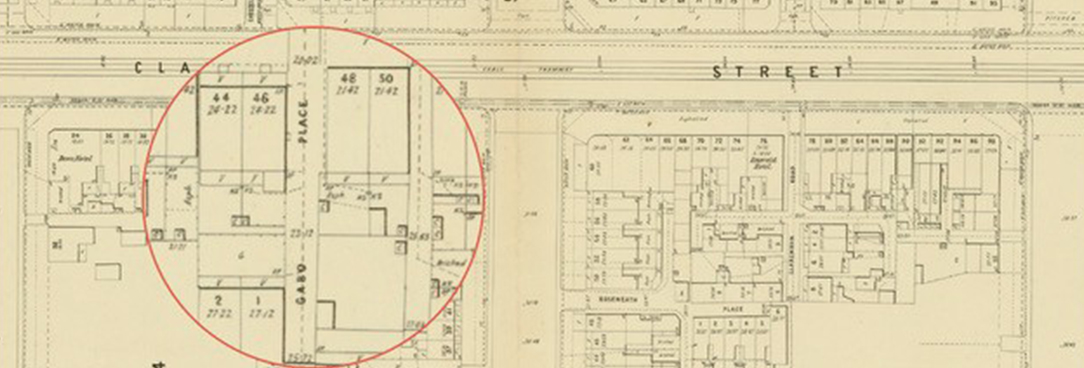
It was exciting to pour over old Melbourne and Metropolitan Board of Works maps and be able to pinpoint the streets where Peter, and his wife to be, Mary, had lived2, and consider how their paths may have crossed.

The archived records of the State Bank in Elmore3 revealed that Peter was selling firewood to the bank, keeping the premises warm for customers. I wondered about this until I checked the dates on the entries and realised that Peter had undercut a local competitor, selling wood that resulted from felling manna gums on his land that he needed to clear in order to extract clay for brickmaking.
Should secrets be revealed?
While most of the information discovered was shareable, I wondered what I would do if I uncovered an unknown secret or more information that might change perspective? While the social norms and values, legal frameworks and economic pressures that impacted on the lives of our ancestors and choices they made may not be those we may choose to make today.
In Heil House only one side is presented in divorce papers, there is no evidence of a claimed marriage and a birth date is changed to ensure legitimacy.
In writing the history I acknowledge that my understanding of incidents and events has been shaped by the specific documents that have been archived, and memories shared.
I also consider that information that may change a current viewpoint may come to light in the future. But for now, what might have given a fuller picture has been lost, or never recorded, so I have been left to piece together a narrative from differing perspectives with the understanding that history can always be viewed through many lenses - I have done this as sensitively and truthfully as I can.
References
1 Former Shire of Huntly Heritage Study Stage 1 Volume 1 Key Findings and Recommendations.
2 Melbourne and Metropolitan Board of Works, South Melbourne. Detail Plans 489, 494, 495 and 496.
3 VPRS 8933 Consignment P1542.
Material in the Public Record Office Victoria archival collection contains words and descriptions that reflect attitudes and government policies at different times which may be insensitive and upsetting
Aboriginal and Torres Strait Islander Peoples should be aware the collection and website may contain images, voices and names of deceased persons.
PROV provides advice to researchers wishing to access, publish or re-use records about Aboriginal Peoples